IESP Blog
The Rise of AI in B2B Incentive and Recognition Programs
May 29, 2025
Artificial Intelligence (AI) is playing an increasingly pivotal role in transforming B2B incentive and recognition programs. As AI technologies evolve, solution providers are tackling this trend head-on—offering forward-looking thought leadership and enhancing their platforms to keep pace with emerging developments. By examining the AI-driven strategies of leading incentive, recognition, and loyalty solution providers, we can discern clear trends shaping the future of these programs in both the near term and long term.
This blog distills those insights to provide a clear perspective on AI’s current and future impact on B2B incentive, loyalty, and recognition programs—broken down into two key categories: applied AI driving results today, and theoretical AI shaping what’s next.
Applied AI in B2B Reward Programs
Consumer loyalty programs have been among the earliest adopters of AI. Now, providers of B2B incentive programs—including channel partner incentives, contractor loyalty initiatives, and employee recognition—are rapidly evolving to incorporate AI-driven solutions. These advancements are improving program efficiency, enhancing participant engagement, and generating deeper insights that drive business outcomes – and they hold immense promise for the future.
Personalized Rewards and Incentive Structures
One of AI’s most significant contributions to incentive programs is its ability to personalize rewards at scale. Traditional incentive structures often rely on generalized assumptions about participant preferences. By contrast, some modern loyalty programs are moving toward AI-enabled recommendation engines for rewards. AI leverages data analytics and machine learning algorithms to assess individual behaviors, transaction histories, and engagement patterns, tailoring rewards that align with each participant’s interests.

For example, Starbucks uses AI and machine learning through its
Deep Brew AI platform to analyze customer purchase history, preferences, and even time-of-day ordering habits — boosting loyalty and spending frequency. In the B2B realm, AI-driven systems can analyze a channel partner’s sales performance, product mix, and past redemptions to suggest the most relevant incentives. If a contractor has historically preferred travel rewards over merchandise, the AI can prioritize travel-based incentives to increase that individual’s engagement and motivation. Such tailored experiences enhance program effectiveness by ensuring participants genuinely value their rewards.
“By asking a few simple questions, an AI-driven rewards engine could help serve up a curated selection of merchandise, helping to drive rewards redemption,” says the
Incentive Research Foundation (IRF). “Third parties have an opportunity to use AI to analyze PII-protected redemption data to quickly refine award offerings and make recommendations for changes.”
Predictive Analytics for Engagement Optimization
AI-powered predictive analytics enables companies to identify patterns in participant behavior and predict which individuals are most likely to disengage. Armed with these insights, program administrators can take proactive steps to re-engage at-risk participants and improve long-term retention.
 The consumer loyalty space offers a preview of this capability in action. Hilton, for example, uses AI-driven analytics in its Hilton Honors program to create highly detailed guest profiles — including data such as past stays, booking preferences, patterns, and demographics. This richness of data allows Hilton to offer a more personalized experience that resonates with each customer.
In B2B and employee programs, AI can spot declining engagement—like a dip in partner sales or workforce morale—and trigger targeted incentives or timely recognition. These predictive insights help prevent churn and keep motivation high.
Intelligent Program Automation
Managing large-scale B2B incentive programs manually is time-consuming and often inefficient. AI-driven automation can handle key program elements—from participant enrollment and reward distribution to fraud detection and compliance monitoring—far more swiftly and accurately than traditional methods.
“AI revolutionizes traditional incentive programs like Rewards, MDF/Co-Op, SPIFs, and Rebates by transforming manual processes into intelligent engagement tools,” according to CarltonOne. “These incentive automation (IA) solutions infused with AI automatically deploy the ideal mix, level, and timing of incentives to boost revenue and profit from the channel.”
In practical terms, AI can automate tasks like claims verification by checking purchase data against eligibility rules, cutting down on manual work and fraud. Chatbots also enhance support by guiding users through redemptions anytime. Together, these tools boost efficiency and improve the user experience.
Sentiment Analysis and Feedback Integration
Understanding participant sentiment is crucial for refining incentive and recognition initiatives. Advanced AI tools now use natural language processing (NLP) to gauge how participants feel about a program and where improvements can be made. According to Achievers, “looking ahead, AI will leverage advanced sentiment analysis and natural language processing to craft messages that are not only impactful but also free from unconscious bias.” This points to a future where communications within programs become ever more finely tuned to audience reaction.
AI-powered sentiment analysis tools can scan survey responses, review comments, and even social media posts to measure participant satisfaction and uncover pain points. Capturing this feedback loop helps ensure programs evolve with participant needs. As RewardGateway emphasizes, “When you give employees a chance to provide input, not only will they be more excited for the final outcome, but they’re more likely to actually engage with the program once it launches.” In other words, involving participants and reading the tone of their feedback fosters greater buy-in.
Consider how this works in practice: AI can analyze sentiment data to suggest real-time program improvements—like shifting to smaller, more frequent rewards based on employee feedback or simplifying structures when partners find programs too complex. This ensures ongoing optimization and stronger engagement.
Generative AI Chatbots and Assistants
AI chatbots provide real-time assistance to participants by answering questions about program rules, reward options, and eligibility. These conversational agents, powered by generative AI and advanced language models, reduce the administrative burden on program managers and keep participants engaged by making information readily accessible. The result is a more seamless, inviting program experience for all users.

Recognition solution provider, Kudos, for instance, demonstrated this advancement by rolling out a recognition assistant powered by generative AI. Their virtual assistant helps users by suggesting phrasing and ideas when they create recognition messages on the platform, making it easier to write meaningful acknowledgments. Generative AI can support program admins by analyzing large data sets to uncover patterns and suggest new incentive strategies that may not be obvious to humans.
Workhuman provides a leading example of this administrative aid: its AI Assistant taps into a recognition-focused language model to provide insights into employee skills, performance trends, cultural contributions, and even DEI (diversity, equity, and inclusion) factors that might otherwise go unnoticed. Generative AI acts as a co-pilot for program designers—analyzing recognition data and offering targeted, creative, and data-backed strategies to improve outcomes.
Theoretical AI in Reward Programs
The AI-powered enhancements currently bolstering incentive programs are only the tip of the iceberg. Looking ahead, the horizon holds immense potential for continued innovation, with future AI developments poised to further transform how incentive and recognition strategies are designed and delivered. Below are some emerging trends and possibilities that could define the next generation of B2B incentive programs:
Hyper-Personalization with Advanced Behavioral Insights
Future AI will advance personalization by integrating behavioral science and deep learning. These systems will detect subtle, less obvious patterns in participant behavior to create hyper-personalized incentive experiences. As a result, rewards and communications will be fine-tuned to each individual's motivations—driving deeper engagement and stronger program outcomes.
“As more incentives organizations begin to incorporate AI into their program design, they are tasked with addressing workforce demands and the increased desire for personalization and custom rewards,” wrote Maggie Mancini of HRO Today. “Business leaders are increasingly looking to incentives professionals to provide data on the effectiveness of investment in employee recognition and rewards.”
AI can spot behavioral patterns—like a contractor redeeming rewards seasonally or an employee responding best to peer praise—and tailor offers or recognition accordingly. These personalized approaches help maximize engagement by aligning incentives with each individual’s unique motivators.
Advanced Data Integration and Real-Time Analytics
Future incentive platforms will integrate more deeply with business systems, enabling real-time adjustments and smarter decisions. As AI evolves, programs will sync seamlessly with company data to recognize meaningful employee, partner, or customer actions—turning recognition into a connected part of the broader business ecosystem.
“When integrated with other workplace applications, including social channels, collaboration and project management platforms, AI-powered recognition systems can provide managers with the enhanced situational awareness they need to deliver timely, relevant and specific recognition,” notes a recent Engage2Excel (Hinda) whitepaper on AI in recognition programs.
Future loyalty and partner incentive programs will use AI to pull data from CRM, ERP, marketing, support, and e-commerce systems. These integrations will uncover new moments worth rewarding—like service milestones or supply chain wins. With real-time analysis, AI can dynamically adjust incentives based on live performance and changing conditions, replacing static program structures with responsive, personalized strategies.
The impact of such agility could be dramatic. As Augeo points out, “early detection with insights from machine-learning tools through an employee engagement platform allows you to make fast, strategic changes that improve your employee experience. A robust and intelligent platform recognizes these indicators in the early stages.” In practical terms, if a channel partner’s sales performance suddenly drops, an AI system could immediately generate a tailored bonus incentive to rekindle activity — all without waiting for human intervention.
AI-Driven Gamification and Engagement Strategies
Communication and game-like elements have long been key drivers of engagement in incentive programs. AI is poised to revolutionize these aspects by making them more adaptive and personalized than ever. We’re looking at a future of enhanced communication and gamification strategies like never before – where each participant’s experience can evolve dynamically based on their behavior and preferences.

According to Cyndi Radke, Channel Partner Solutions Strategist at
ITA Group, “AI could revolutionize participant communications in incentive programs by personalizing messages based on participant data, automating reminders and notifications, providing real-time data and analyzing behavioral insights to optimize communication strategies.” Radke further highlights that predictive analytics can pinpoint the most effective communication channels, timing, and content to ensure messages truly resonate—ultimately boosting participant engagement.
In addition to smarter communication, AI will elevate gamification techniques in incentive programs.
Wendy’s, for instance, has recently upgraded its customer loyalty program with gamified experiences, targeted offers, and exclusive promotions tailored to specific customer preferences. Similarly, we can expect B2B incentive platforms to use AI to design adaptive gamification elements that evolve with the participant.
An AI-driven platform could analyze a participant’s engagement history and adapt game mechanics — like leaderboards, challenges, or rewards — to maintain interest. If engagement drops, the system might adjust incentives or introduce new challenges. By personalizing experiences based on behavior, AI helps keep users motivated and aligned with business goals.
Enhanced Fraud Detection and Compliance Management
AI doesn’t just improve engagement and efficiency—it also strengthens program security. As incentive platforms handle more data, AI helps guard against fraud, abuse, and errors while ensuring compliance, all without compromising the user experience.
“AI not only powers loyalty programs but also bolsters their security,” according to Reward the World. “These AI-driven security measures (when combined with human oversight) create a robust defense against data breaches.”
AI enables real-time anomaly detection by analyzing large datasets to identify patterns that signal fraud, compliance issues, or cybersecurity threats. It can flag irregular reward claims, unusual redemption activity, or policy violations before they escalate. As incentive programs grow more complex, AI's predictive capabilities help organizations stay ahead of risk—automating detection, improving compliance, and reducing human error.
Even leading consulting firms are recognizing this shift. McKinsey, for example, has proposed new AI-driven approaches to fraud prevention that enhance both security and customer experience, emphasizing the need for proactive strategies in an evolving fraud landscape. In summary, AI is not only making incentive programs smarter and more engaging, but safer and more trustworthy as well.
Voice and Conversational AI for Seamless Interactions
The integration of voice assistants and conversational AI will further enhance the user experience in incentive programs. Participants may soon interact with their incentive platform through simple voice commands — checking reward balances, asking for personalized recommendations, or navigating program rules in a hands-free, natural manner. This kind of frictionless interface lowers barriers to engagement and makes it easier for busy employees or partners to stay involved.
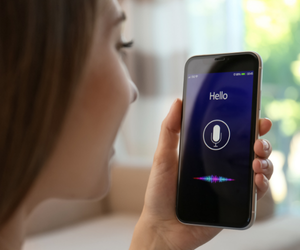
Today’s chatbots offer basic support, but future conversational AI will handle personalized, complex queries. A partner could ask, “How close am I to my next reward tier?” and receive real-time insights and action suggestions—making AI a proactive guide, not just a helper.
Conversational AI will make incentive programs more intuitive and user-friendly. Instead of navigating dashboards, participants can simply ask questions and get real-time, personalized answers. As voice and language tech improves, this seamless interaction will become a standard feature of modern platforms.
The Road Ahead for AI in B2B Incentives
AI is reshaping B2B incentive and recognition programs by driving greater personalization, intelligent automation, and data-driven insights. As AI capabilities continue to advance, companies can anticipate even higher levels of efficiency, deeper engagement, and more strategic impact from their incentive initiatives.
Organizations that proactively integrate AI into their incentive, loyalty, and recognition programs can not only enhance participant experiences but also gain a competitive edge by optimizing rewards to drive business growth. The future of B2B incentives lies in intelligent, data-driven decision-making — and AI is a key to unlocking this full potential.
Relevant Resources: